
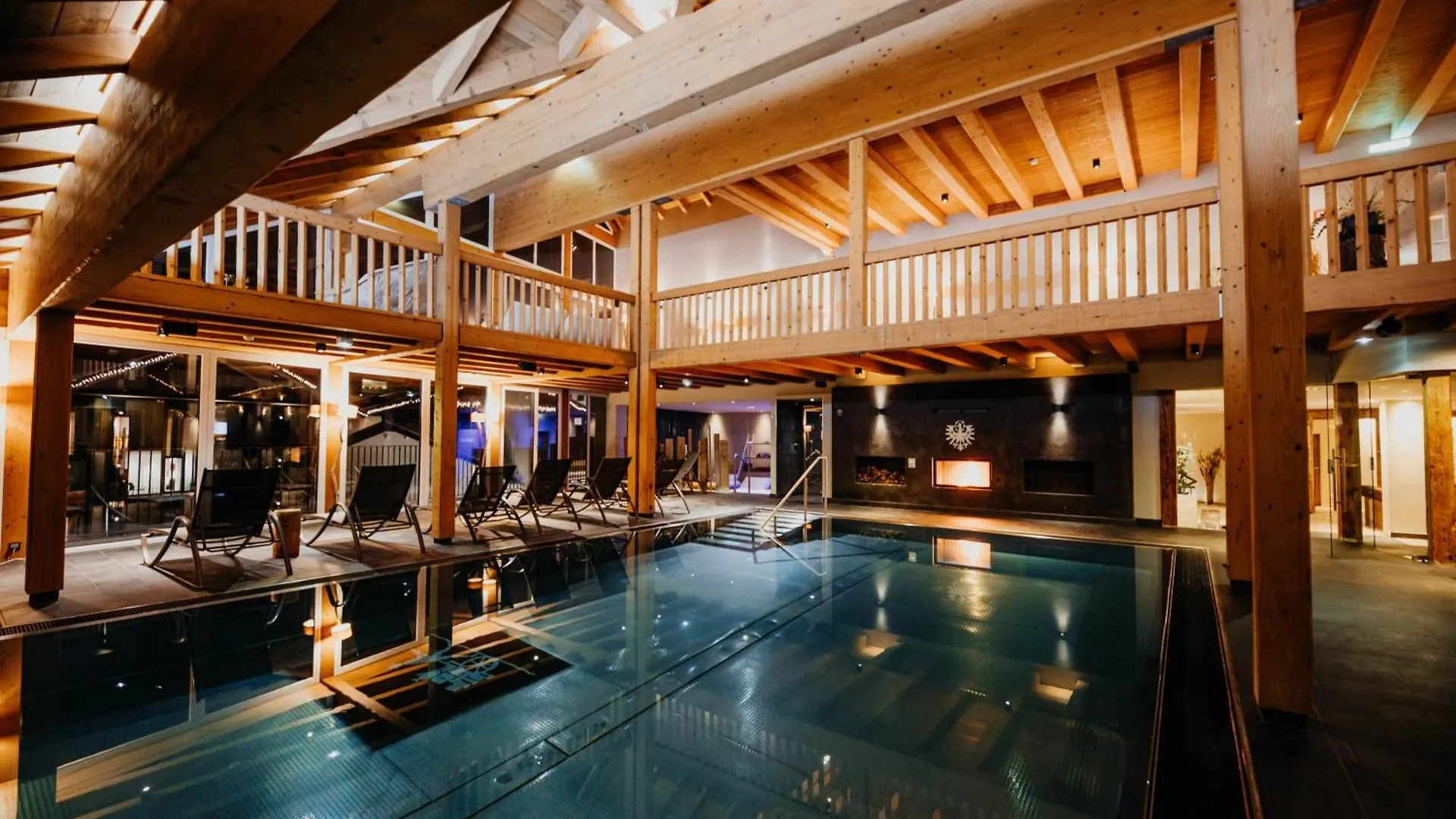
The Austrian Alps combine championship-level golf courses with dramatic mountain backdrops, making the region one of Europe's most distinctive golf destinations. From the Kitzbüheler Alps to the Lienz Dolomites, golfers here tee off at altitude - and return each evening to world-class spa facilities and alpine cuisine. This guide covers five standout golf hotels across the Austrian Alps to help you choose the right base for your stay.
What It's Like Staying in the Austrian Alps
The Austrian Alps span several distinct valleys and resort towns - Kitzbühel, Seefeld, St. Anton, Westendorf, and Lienz - each with its own rhythm and character. Getting between them requires a car or regional trains, as public transport links are solid but not seamless, particularly for early tee times. Summer season (June to September) is peak golf season, when courses are fully operational and mountain conditions are at their best, but accommodation fills quickly and prices climb accordingly. Travelers who prioritize direct slope or course access will benefit most from staying in-resort rather than in Innsbruck or Salzburg and commuting.
Pros:
- Direct course access from most golf resort hotels, reducing daily transfer time significantly
- Alpine spa culture is deeply embedded - nearly every quality hotel includes a sauna, pool, and wellness facilities at no extra cost
- Tyrol and East Tyrol offer around 30 golf courses within a driveable radius, giving multi-day golfers genuine variety
Cons:
- Mountain driving between resorts can add around 90 minutes between destinations like Lienz and Kitzbühel
- High-altitude courses close from October through April, making the golf season strictly weather-dependent
- Resort towns like St. Anton have very limited flat terrain - unsuitable for travelers with mobility restrictions
Why Choose Golf Hotels in the Austrian Alps
Golf hotels in the Austrian Alps are purpose-built around the combination of sport, recovery, and scenery - a package that generalist city hotels simply cannot replicate. Most dedicated golf hotels include green fee discounts or direct course partnerships, which can reduce daily golf costs meaningfully compared to booking independently. Room sizes in alpine golf hotels tend to be larger than urban equivalents, with many properties offering apartments or suites that accommodate golf equipment storage comfortably. The trade-off is that true golf-and-spa resorts sit at a higher price point - budget options are limited, and the most well-equipped properties typically start from around €150 per night in peak summer.
Pros:
- On-site or adjacent course access eliminates the need for daily transfers to and from the course
- Integrated spa and wellness facilities allow recovery between rounds without leaving the property
- Many properties offer half-board or breakfast packages tailored to early morning tee times
Cons:
- Premium golf hotels in peak season command significantly higher rates than standard alpine accommodation
- Some smaller golf B&Bs lack on-site restaurants, requiring guests to plan evening meals independently
- Availability at top-rated properties books out around 8 weeks in advance during July and August
Practical Booking & Area Strategy for the Austrian Alps
Choosing the right base in the Austrian Alps depends heavily on which courses you plan to play and whether you're combining golf with skiing or hiking. Kitzbühel and Seefeld are the strongest all-round bases - both sit in the heart of Tyrol, are easily accessible from Innsbruck Airport (around 80 km), and are surrounded by multiple top-rated courses. Westendorf in the SkiWelt area suits golfers who want resort-style comfort with an apartment setup and self-catering flexibility, while Lienz in East Tyrol appeals to those seeking a quieter, more scenic Dolomite-facing setting with far fewer crowds. St. Anton am Arlberg is better known for skiing, but its position at the Arlberg pass gives access to courses in both Vorarlberg and Tyrol for golfers willing to drive. Book summer stays at least 6 weeks ahead - top golf hotels in Kitzbühel and Seefeld are frequently sold out by late May for the July-August window.
The Innsbruck Airport connection is the most practical entry point for the central Tyrolean resorts, while Salzburg Airport serves the eastern corridor including Kitzbühel. Lienz is best reached by car via the A10 and Felbertauern tunnel route from Salzburg.
Best Value Golf Stays in the Austrian Alps
These properties offer strong golf positioning and solid facilities without the full luxury price tag - suitable for golfers prioritizing course access and comfort over five-star extras.
-
1. Post Seefeld - Wellnesshotel Tirol
Show on map


 Check-infrom 15:00 until 22:00Check-outfrom 07:00 until 11:00
Just a few rooms left at the best rate!
from€ 191
-
2. Skihotel Galzig B&B
Show on map


 Check-infrom 16:00 until 20:00Check-outfrom 07:00 until 10:00
Just a few rooms left at the best rate!
from€ 148
-
3. Apart Resort Westendorf
Show on map


 Check-infrom 16:00 until 18:00Check-outfrom 08:00 until 10:00
Hurry – almost gone at this price!
from€ 343
Best Premium Golf Hotels in the Austrian Alps
These properties offer elevated facilities, prime course access, and a higher level of service - suited to golfers for whom the hotel experience is as important as the round itself.
-
4. Aktivhotel Schweizerhof Kitzbuehel
Show on map


 Check-infrom 15:00 until 23:30Check-outfrom 07:00 until 11:00
Hurry – almost gone at this price!
from€ 147
-
5. Grandhotel Lienz Business-Wellness & Gourmet
Show on map


 Check-infrom 15:00 until 22:00Check-outfrom 07:00 until 11:00
Rooms filling fast – secure the best rate!
from€ 346
Smart Timing & Booking Advice for Golf in the Austrian Alps
Golf season in the Austrian Alps runs from May through October, with the peak window falling between late June and mid-September when courses are in top condition and mountain weather is most reliable. July and August see the highest occupancy rates across all five properties listed here - particularly in Kitzbühel and Seefeld, where demand from both golfers and hikers converges simultaneously. Booking around 8 weeks before a July stay is the realistic minimum for securing preferred room types at top-rated hotels; last-minute availability exists but typically means reduced room choice and higher rack rates. May and September offer the strongest value proposition - courses are open, crowds are noticeably thinner, and many hotels offer shoulder-season rates that can be around 20% lower than peak summer pricing. A minimum of 4 nights makes most logistical sense for an Austrian Alps golf trip - enough time to play at least three different courses and experience the spa recovery cycle the region is built around. Early booking in winter (January-February) for the following summer is increasingly common among repeat visitors who know availability at properties like the Grandhotel Lienz or Aktivhotel Schweizerhof tightens early.


