
Lower Austria surrounds Vienna on all sides and delivers a level of natural and cultural variety that few Austrian regions can match - from the UNESCO-listed Wachau Valley vineyards to the Alpine foothills near Reichenau and the Bohemian highlands around Haugschlag. Luxury hotels here trade urban density for space, scenery, and wellness - making the region a genuine alternative to Vienna city stays for travelers who want quality without the capital's noise and pace.
What It's Like Staying in Lower Austria
Lower Austria is Austria's largest province by area, and that scale shapes everything about the experience of staying here. Unlike Salzburg or Innsbruck, there is no single dominant city - instead, the region is structured around distinct zones: the Danube corridor, the Wachau wine valley, the Alpine south, and the quiet Waldviertel plateau in the northwest. Transport varies sharply by zone - Krems and Tulln have solid rail links to Vienna, while areas like Haugschlag or Reichenau require a car. Crowds are seasonal and localized: Wachau peaks hard in September during harvest, while wellness resorts in the Alps stay busy year-round with hikers in summer and skiers in winter.
Travelers who benefit most from basing themselves here include couples on wine or wellness breaks, business travelers attending Messe Tulln or Danube University events, and anyone arriving via Vienna Airport who wants to avoid the city entirely. Urban travelers who rely on public transit or need walkable nightlife should note that most of Lower Austria shuts down early.
Pros:
- Wide range of landscapes in one region - Danube riverbanks, Alpine terrain, and forested highlands all within around 2 hours of Vienna
- Significantly lower hotel rates than central Vienna for equivalent quality
- Cycling infrastructure is extensive, especially along the Danube Bicycle Trail
Cons:
- Car dependency is high outside major towns - Haugschlag and Reichenau are not practical without private transport
- Evening dining and entertainment options are limited compared to a capital city
- Some areas are genuinely remote, with sparse connectivity and few English-speaking services
Why Choose Luxury Hotels in Lower Austria
Luxury accommodation in Lower Austria is defined less by urban glamour and more by space, spa facilities, and natural positioning. Four-star properties here routinely include private parking, wellness centers, and garden terraces - amenities that would cost significantly more in Vienna. Room sizes are generally larger than equivalent-tier Vienna hotels, and noise levels are incomparably lower. The trade-off is access: luxury stays in Haugschlag or Reichenau require full car dependency, and in-room dining options may be limited to hotel restaurants only.
Typical price positioning for quality hotels in this region runs around 40% below comparable Vienna city properties, which makes the region attractive for multi-night wellness or golf stays where spend on activities is higher. Business travelers using Danube University in Krems or Messe Tulln have practical reasons to choose local luxury rather than commuting from the capital. The differentiating factor across Lower Austria's luxury tier is genuine outdoor integration - golf courses, hiking trails, ski access - rather than rooftop bars or concierge shopping services.
Pros:
- Spa and wellness facilities are standard at this tier - hammams, saunas, and indoor pools appear at multiple properties
- Free private parking is almost universally included, unlike Vienna where parking fees are substantial
- Buffet breakfast with regional Austrian produce is consistently strong across the category
Cons:
- Fewer on-site dining alternatives - most luxury properties have one restaurant, limiting variety for longer stays
- Urban connectivity is limited - late-night transport back from nearby towns is often nonexistent
- Luxury amenities are nature-focused; travelers seeking high-end shopping or cultural nightlife will find the region underpowered
Practical Booking & Area Strategy for Lower Austria
Positioning matters significantly in Lower Austria because the region is large and geographically diverse. Krems and Tulln are the strongest bases for Danube-corridor travelers - both have direct rail access to Vienna (around 40 minutes), making day trips to the capital fully viable without a car. Reichenau in the south suits Alpine-focused travelers who plan to hike the Rax or explore Schneeberg, but Vienna Airport is nearly 100 km away, so factor driving time into arrival plans. Haugschlag in the Waldviertel is a genuine retreat destination - positioned near Heidenreichstein Castle and the Czech border, it draws golfers and nature seekers specifically, not transit travelers.
The Wachau Valley and surrounding areas peak between late August and early October during the grape harvest, when accommodation fills weeks ahead. Spring (April-May) offers lower prices, bloom-season scenery along the Danube, and manageable crowds. For airport-adjacent stays, the Fischamend area near Vienna Airport provides a practical overnight option that avoids Vienna city pricing entirely. Book wellness-focused properties at least 6 weeks ahead for summer weekends - particularly in Reichenau, where demand from Viennese weekenders is consistent and room counts are small.
Best Value Luxury Stays in Lower Austria
These properties deliver strong four-star facilities, strategic locations, and practical inclusions - making them the most versatile choices for travelers prioritizing value within the luxury tier across Lower Austria.
-
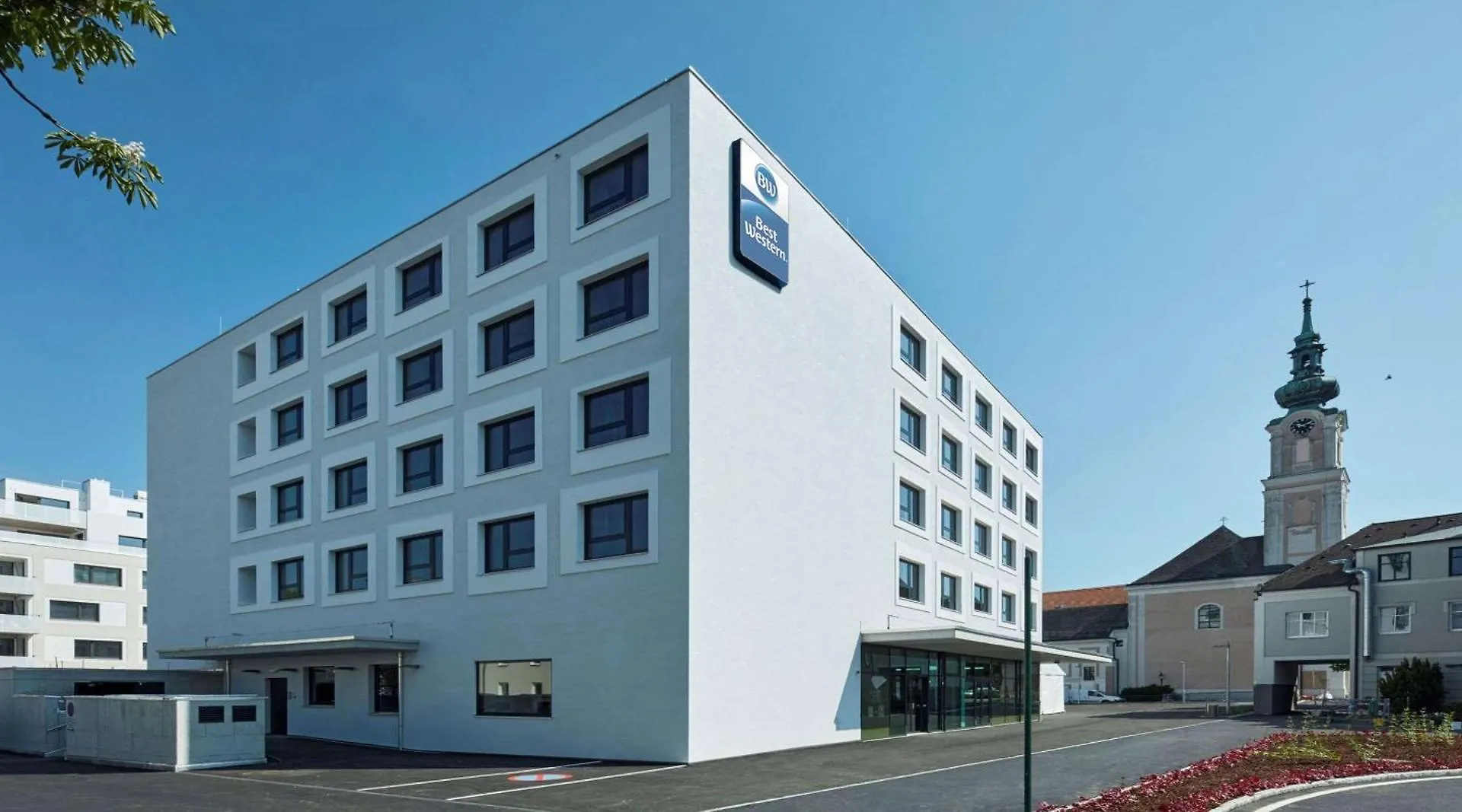
1. Best Western Hotel Tulln
Show on map


 Check-infrom 15:00 until 22:00Check-outfrom 07:00 until 10:00
Just a few rooms left at the best rate!
from€ 158
-
2. Arte Hotel Krems
Show on map


 Check-infrom 14:00 until 23:59Check-outfrom 06:00 until 11:00
Just a few rooms left at the best rate!
from€ 90
-
3. Lifehotel Vienna Airport
Show on map


 Check-infrom 15:00 until 23:59Check-outuntil 11:00
Hurry – almost gone at this price!
from€ 34
Best Premium Luxury Stays in Lower Austria
These properties lead with full spa facilities, resort-scale amenities, and immersive natural settings - suited to travelers prioritizing wellness, golf, or multi-night retreats in Lower Austria's most distinctive landscapes.
-
4. Hotel Marienhof
Show on map


 Check-infrom 15:00 until 18:00Check-outuntil 11:00
Hurry – almost gone at this price!
from€ 105
-
5. Golfresort Haugschlag
Show on map


 Check-infrom 14:00 until 19:00Check-outfrom 08:00 until 11:00
Rooms filling fast – secure the best rate!
from€ 208
Smart Travel & Timing Advice for Lower Austria
The optimal window for luxury travel in Lower Austria is May through June and September - shoulder periods when the Wachau vineyards and Danube cycling routes are at their most scenic but crowds have not yet reached peak density. July and August bring the heaviest domestic tourism from Vienna, particularly to Reichenau and the Alpine south, where weekend occupancy at spa resorts regularly reaches capacity. The Waldviertel around Haugschlag sees its quietest period in winter (November-February), when golf is off-season but spa rates can drop noticeably and the forested landscape offers a stark, peaceful alternative.
For wine-focused travelers targeting the Wachau, September's harvest season is the cultural peak - but hotel availability near Krems and Dürnstein compresses fast, so booking at least 6 weeks ahead is essential for that window. A stay of 3 nights is the practical minimum to justify the travel logistics for destinations like Haugschlag or Reichenau; shorter stays tend to be better aligned with Tulln or Krems, where day trips to Vienna or the Danube Valley can be structured efficiently. Last-minute availability is rare at premium spa properties on summer weekends - advanced planning is not optional for those hotels.


